Paediatric orthopaedics in Bharuch
Children's bones are still growing. They heal faster than adults' — and they need to be treated with that growth in mind.
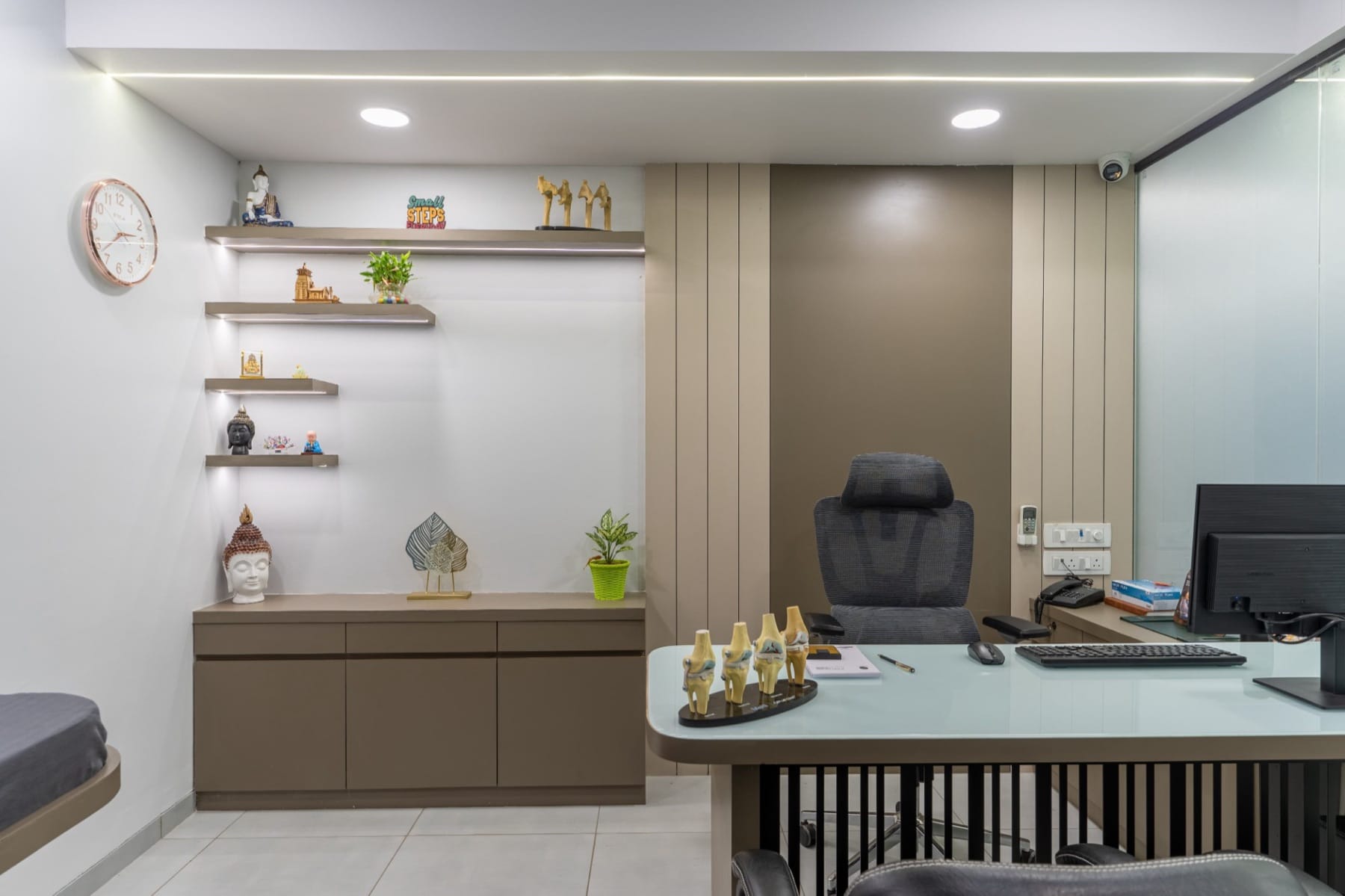
- Surgeon
- Dr. Parth Kinkhabwala
- Clinic
- OPD-1 · Mon–Sat
- OPD
- Take a live token · VIP ₹2,500
- Insurance
- Cashless · 16 insurers & 9 TPAs
What is it?
Many things that worry parents — in-toeing, bow legs, flat feet — are normal stages of development that correct with growth.
Others, such as fractures near the growth plate, a persistent limp or a stiff joint, need careful assessment and follow-up.
Signs to look for
- A limp or refusal to walk
- A fracture or injury
- Bow legs or knock knees beyond the expected age
- Flat feet with pain
- Joint pain or swelling
- A child who suddenly cannot walk, especially with fever
- A deformed limb after a fall
- A hot, swollen joint
What causes it
Falls and play injuries, developmental variations, infection, and less commonly congenital conditions.
How it is diagnosed
- 01Gentle examination
Walking, alignment and joints — with a parent present.
- 02X-rays when needed
Taken with the minimum radiation needed.
- 03Follow-up
Growth is monitored over time where needed.
Treatment options
- Reassurance and monitoring for normal variants
- Plaster or splints for most fractures
- Exercises and footwear advice
- Fixation of displaced fractures, with care for the growth plate
- Procedures for selected deformities
Dr. Parth explains every option — including when surgery is not needed — before anything is decided.
Recovery, realistically
- Fractures
Children's fractures often heal in three to six weeks.
- Follow-up
Some injuries are reviewed for months to check growth.
Questions patients ask
Are flat feet in children a problem?
Flexible flat feet without pain are common and usually normal. Painful or stiff flat feet should be checked.
My child walks with toes pointing in — is that normal?
In-toeing is common in young children and usually corrects with growth.
Do children's fractures heal differently?
Yes — usually faster, and some degree of angulation can remodel with growth. Fractures near the growth plate need special care.
Dr. Parth Kinkhabwala
Orthopaedics & trauma · M.S. (Orthopaedics) · Gold Medallist · Reg. No. G-31649 · OPD-1
This page is general information to help you understand the condition. It is not a diagnosis — your surgeon will advise on your own situation.
You may also want to read
A fracture is an interruption. The job is to make it a short one — and to make sure the limb works afterwards, not merely that the bone joined.
Read more →Orthopaedics · Dr. ParthFoot & ankle surgeryEvery step loads the foot and ankle. Getting them right gets you walking again.
Read more →Orthopaedics · Dr. ParthOrthopaedic second opinionIf you have been told you need an operation, you are entitled to be certain. A second opinion is a normal part of good care.
Read more →Talk it through with Dr. Parth.
OPD-1 · Corporate House, Station Road, Bharuch · Mon–Sat